
WCVA needs the historic accounts, creditor information, cashflow and remaining evidence before its loan panel can decide.
What this place is
A club that was born fighting
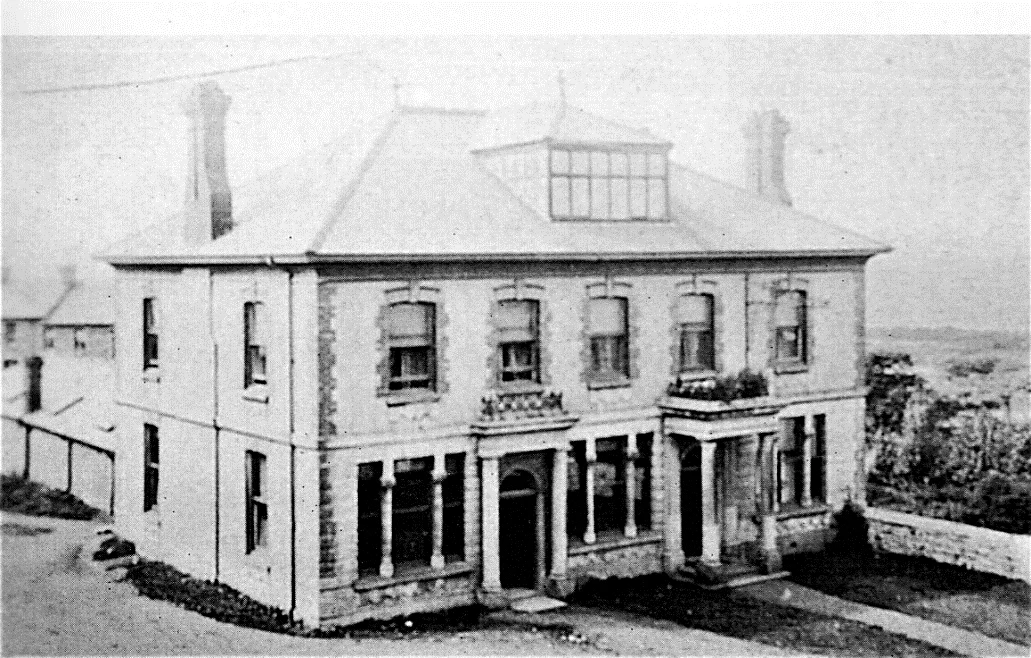
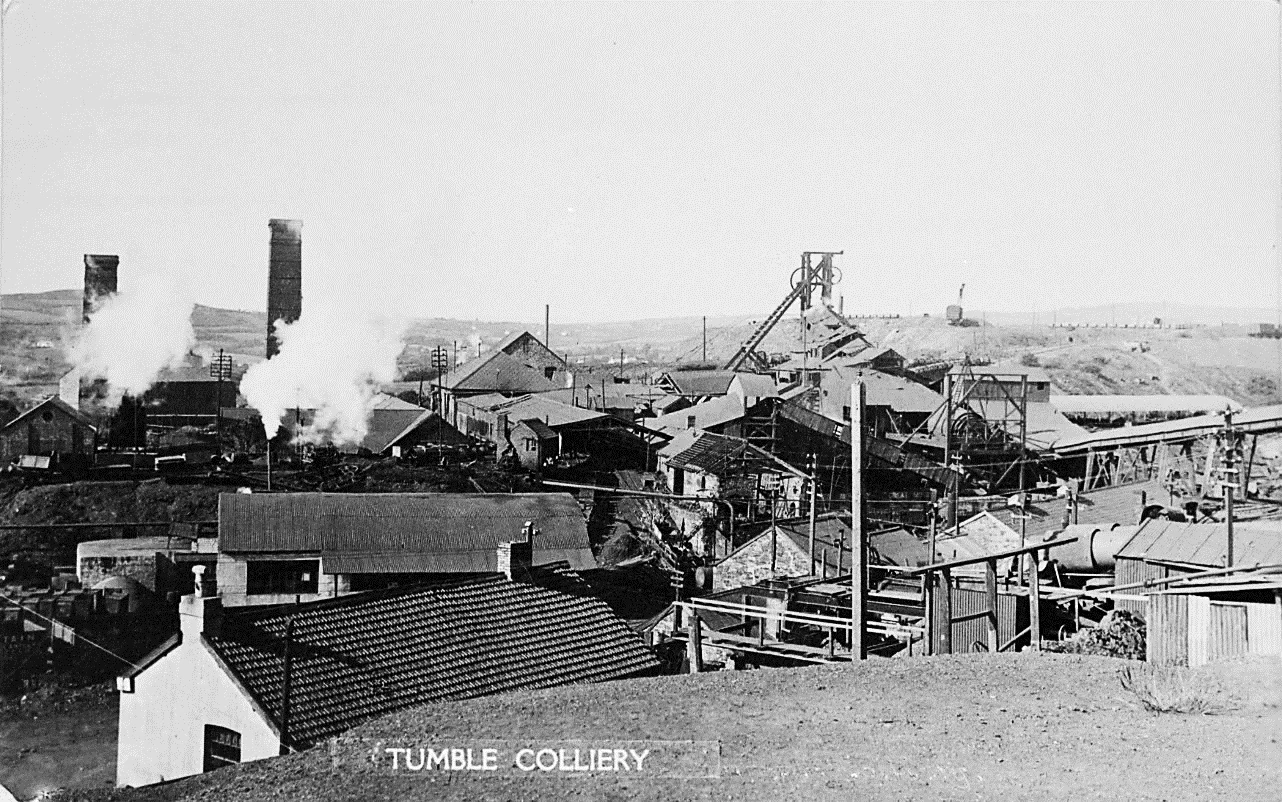
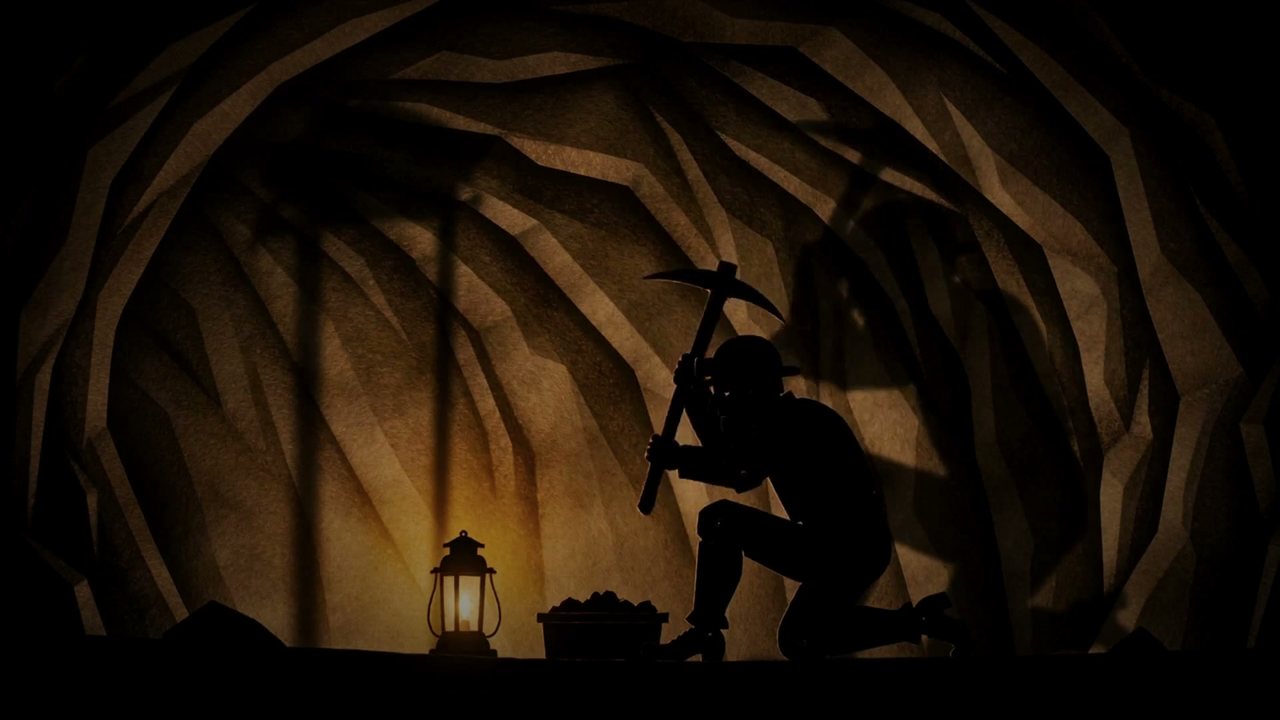
When work began on the Great Mountain Colliery in 1887, Tumble was little more than an inn and a few farms. Within a decade the village had doubled in size - new houses street by street, six hundred men underground, and one overwhelmed pub. So in 1893 the colliers got their own club: a hall so grand, at a cost of some £3,000, that old members marvelled anyone had dared build it in a place this size. The proof, as collier Wilf Timbrell put it, was the seam of "black diamonds" under the Graig-y-Lletty. The club went up directly opposite the colliery gates.
The establishment then spent fifteen years trying to strangle it. An Inland Revenue sting in 1896 - two officers taking lodgings in the village, a shilling paid at the door, a drink bought at the bar - put the club's manager in front of the Llanelly Police Court. Licence applications in 1908 and 1909 were fought by rival breweries and refused by the bench, despite a petition signed by the vicar, the curate, the Baptist minister and the colliery officials. The club carried on regardless: nearly three hundred members, healthy books, not a single complaint against it. And when Bethel chapel needed water for baptisms, it was the club that supplied it.
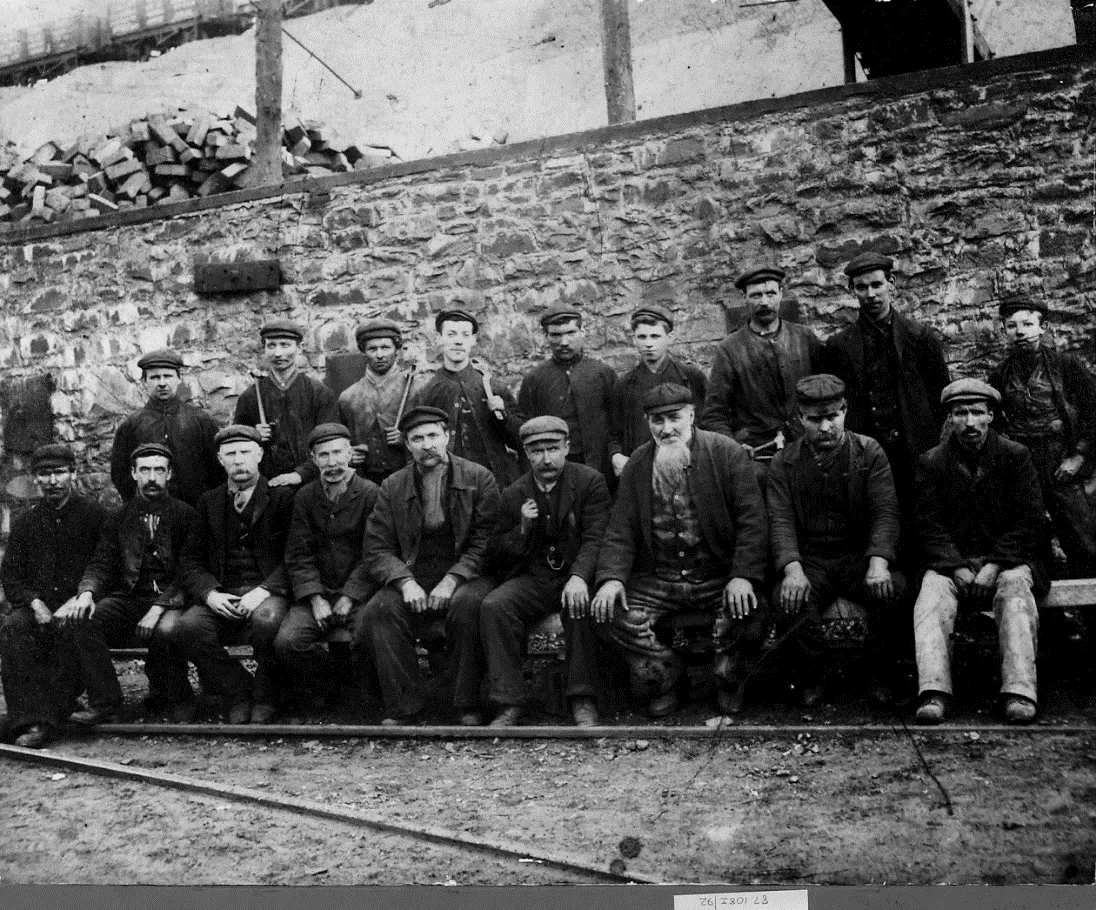
The papers never liked the place, either. Tumble's great strike of 1893 - the very year the club opened - was put down with troops, and the Western Mail never let the village forget it: as late as 1906 it was dismissing a Saturday night here as "another wild orgy of lawlessness". The men it sneered at were colliers who paid the schoolmaster a penny a week for what schooling they got, and who filled this club to the porch on pay nights. Hard men, hard trade, one hall of their own.
Coal paid for all of it, and the village paid dearly for the coal. The Great Mountain had the worst safety record in the Gwendraeth Valley: sixty-one men never came home from it. One was William Owen John of Park View, who survived four years of Gallipoli and the Western Front, went back underground, and was killed on his second day. The teas after those funerals were poured in this club. So were the wedding toasts, the christening cups and every homecoming since.
The pit closed in 1962. The club carried on. For 133 years it has been where Tumble gathers: home of Tumble RFC - the Magpies, black and white like the bird on this page - whose lounge, Lolfa'r Llewod, is named for the three British & Irish Lions this one village has produced. The football club. Prize snooker, in the village that raised a twice world amateur champion. The Christmas do, the christening after the chapel and the tea after the funeral. Ask anyone in Tumble - they've got a memory in that room.
133 years of fighting - the bench, the breweries, the strikes, the dust, the pit closing - and the Workies outlived the lot. It would be a strange thing to let a bank statement finish what none of that could.
The Workies is a community institution, but affection is not the same as legal ownership. The Land Registry title names four individuals and records a bank charge. Our aim is to keep the building serving the community under a viable, transparent structure. Democratic community ownership is one route, not a foregone conclusion. We are organising now so the village has a say in what happens next.
First pints and last goodbyes -
the Workies has held them all.
- 1887Work begins on the Great Mountain Colliery; Tumble grows around the pit
- 1893Troops put down the strike riots - and the same year, the colliers get their club, an enormous hall opposite the colliery gates
- 1896An Inland Revenue sting puts the club manager in court for pouring a drink. The club survives
- 1897Tumble RFC founded for the colliery's workers - the Magpies, black and white
- 1908Rival breweries fight the club's licence at the Llanelly bench, twice. The club survives
- 1962The colliery closes, having taken 61 village lives. The club carries on as the village's living room
- 1966The big concert room is added - the same big room we're saving today
- Aug 2026Workies members vote to give the new Community Benefit Society the chance to buy the building
- 2 Sep 2026Tumble Workies Community Club Limited is registered as a Community Benefit Society — FCA Mutuals number 9847
- NowThe 10 September auction has been delayed until 15 October, giving the Society time to submit a formal purchase offer through the solicitors
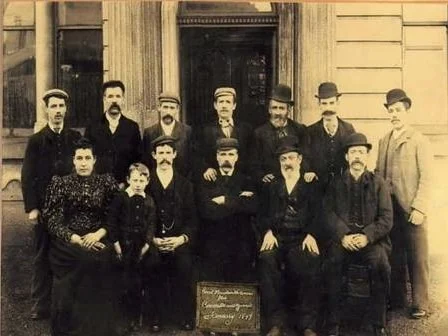
Historical detail drawn, with thanks, from Jeff Alexander's history of Tumble. The club's founders were photographed on its steps in the 1890s. Their story is one reason this building still matters.