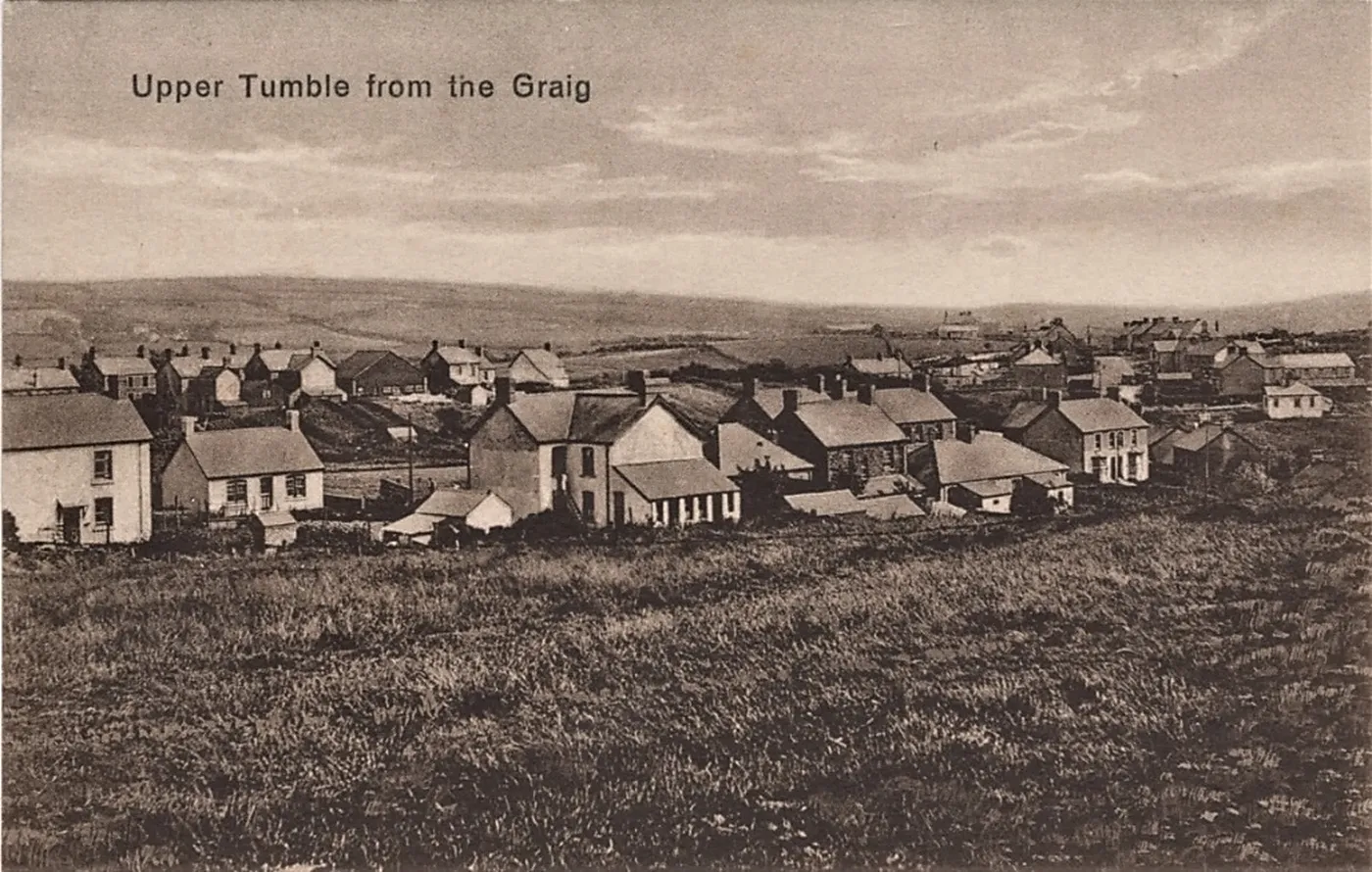
Before the coal
There was almost nothing here.
A tollgate. A tavern. Farms on a bare hillside. On the 1833 survey maps, Tumble barely earns its name.
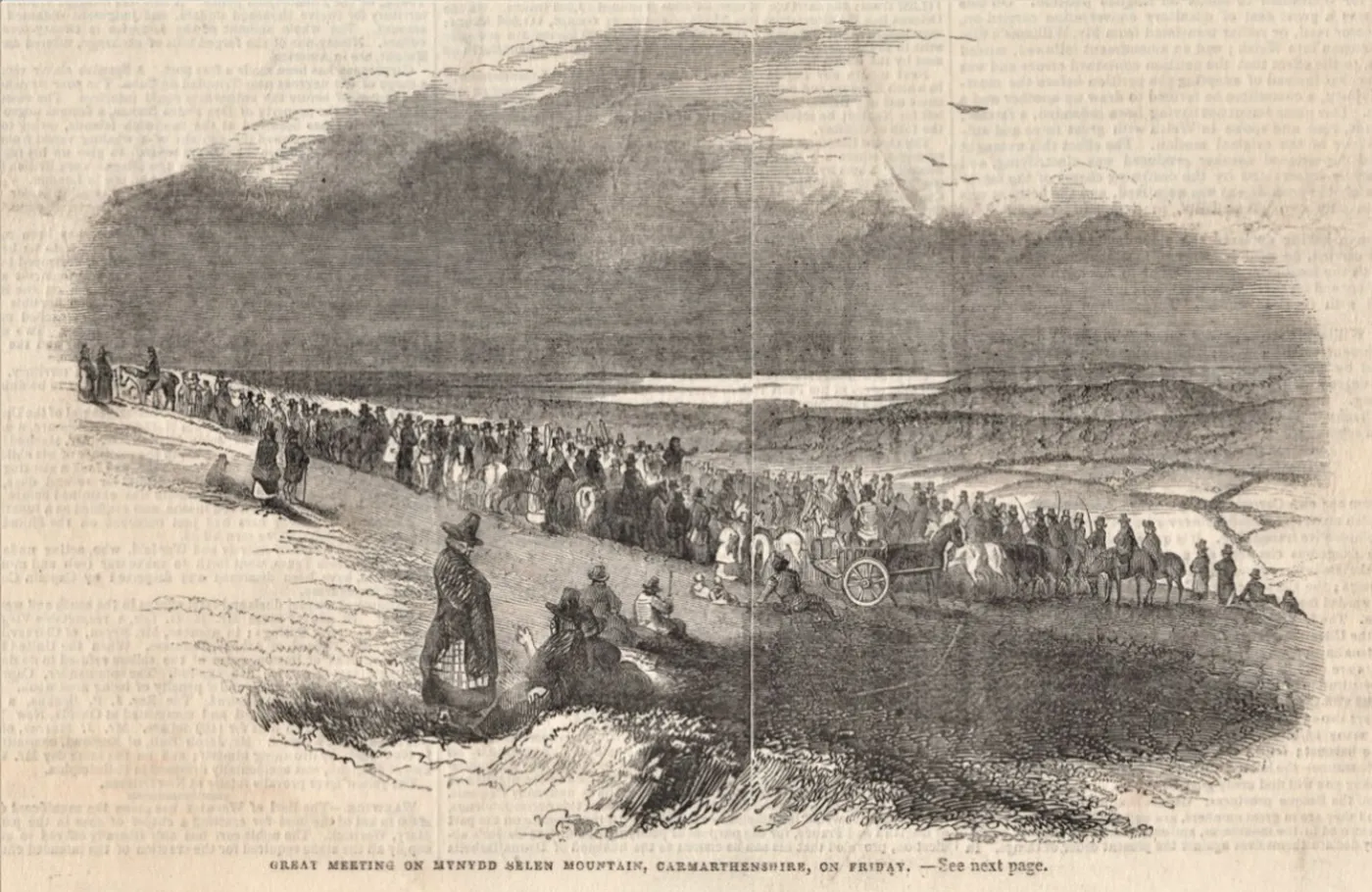
1843
The first fight.
When the tollgates bled the farmers dry, the men of these hills dressed as women and smashed them down. The Rebecca Riots. A Tumble farm boy, Jac Ty-isha, led the attack on the Pontarddulais gate.
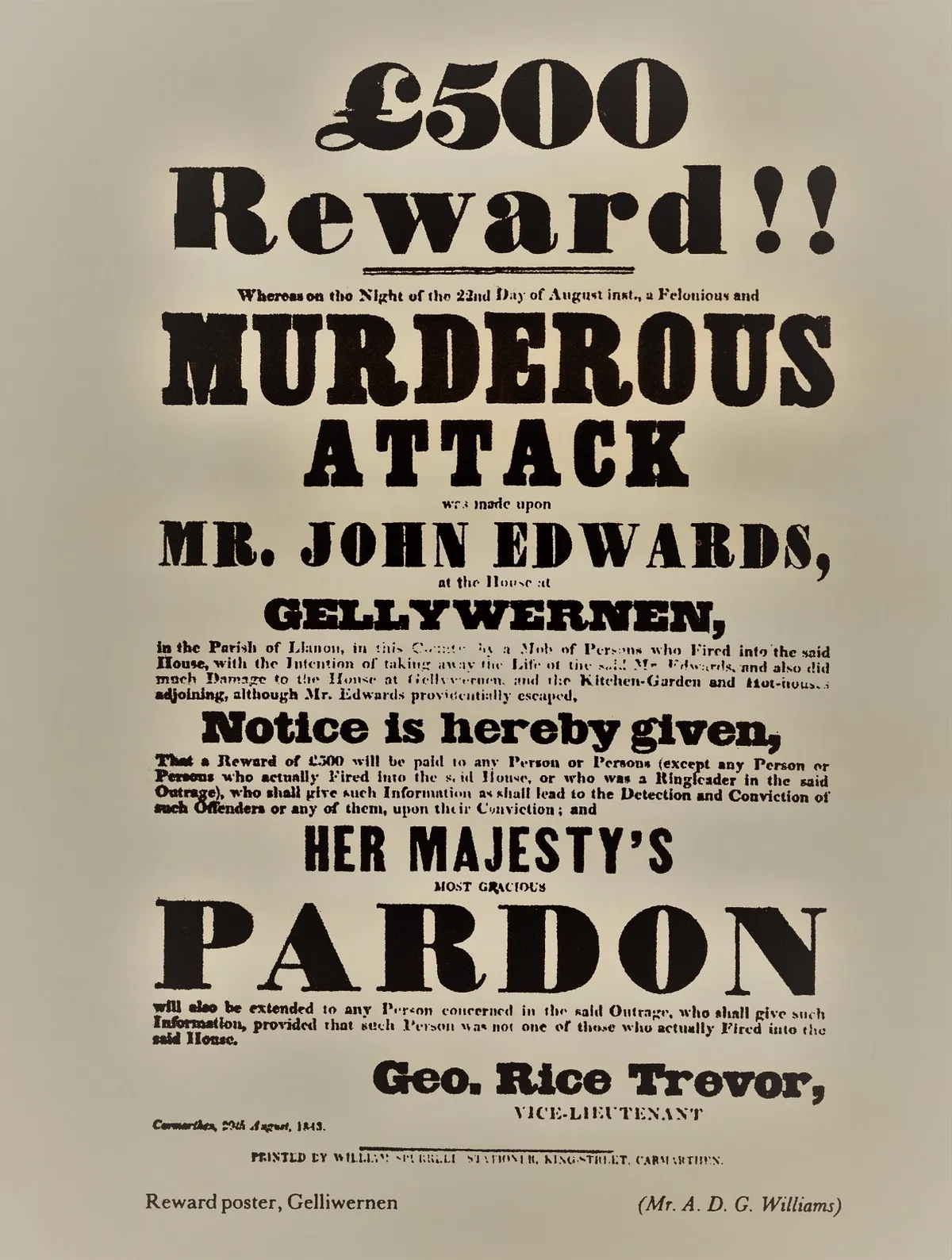
A price on his head
£500 and a Queen’s pardon.
Jac was shot, tried, and transported to Tasmania on a convict ship. He raised a family on the far side of the world. He never saw Tumble again.
His statue stands in the village today.
1887
Then they found the coal.
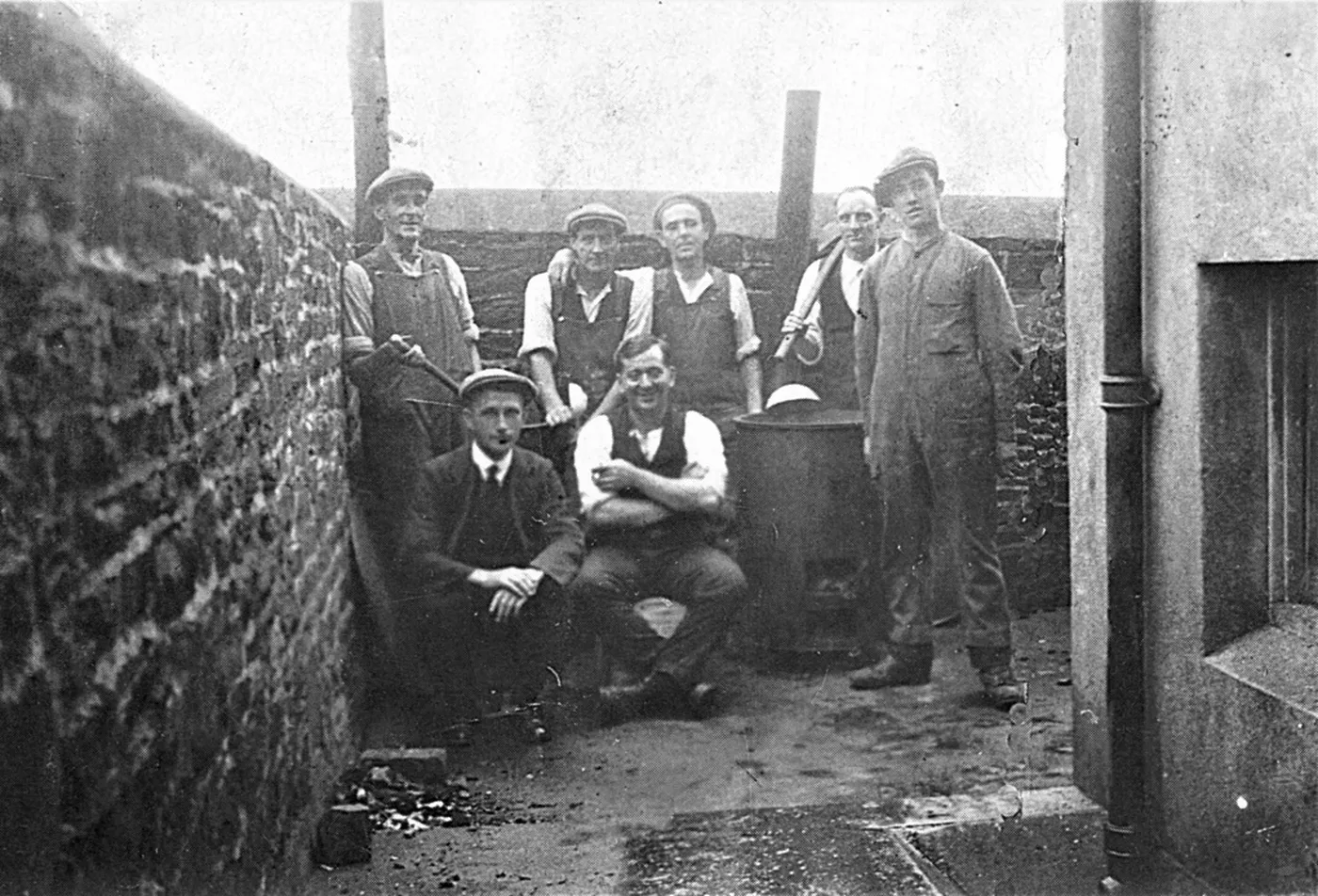
The Great Mountain Colliery opened, and a village grew around it at speed — terrace by terrace, six hundred men under one mountain, cutting the finest anthracite in the world.
1893
The year the village went to war.
The Tumble Strike. Marches behind Mabon. Dragoons sent up from Llanelli. Windows through, blacklegs driven out, the lodging house stormed. The miners learned what they could do when they stood together.
The same year
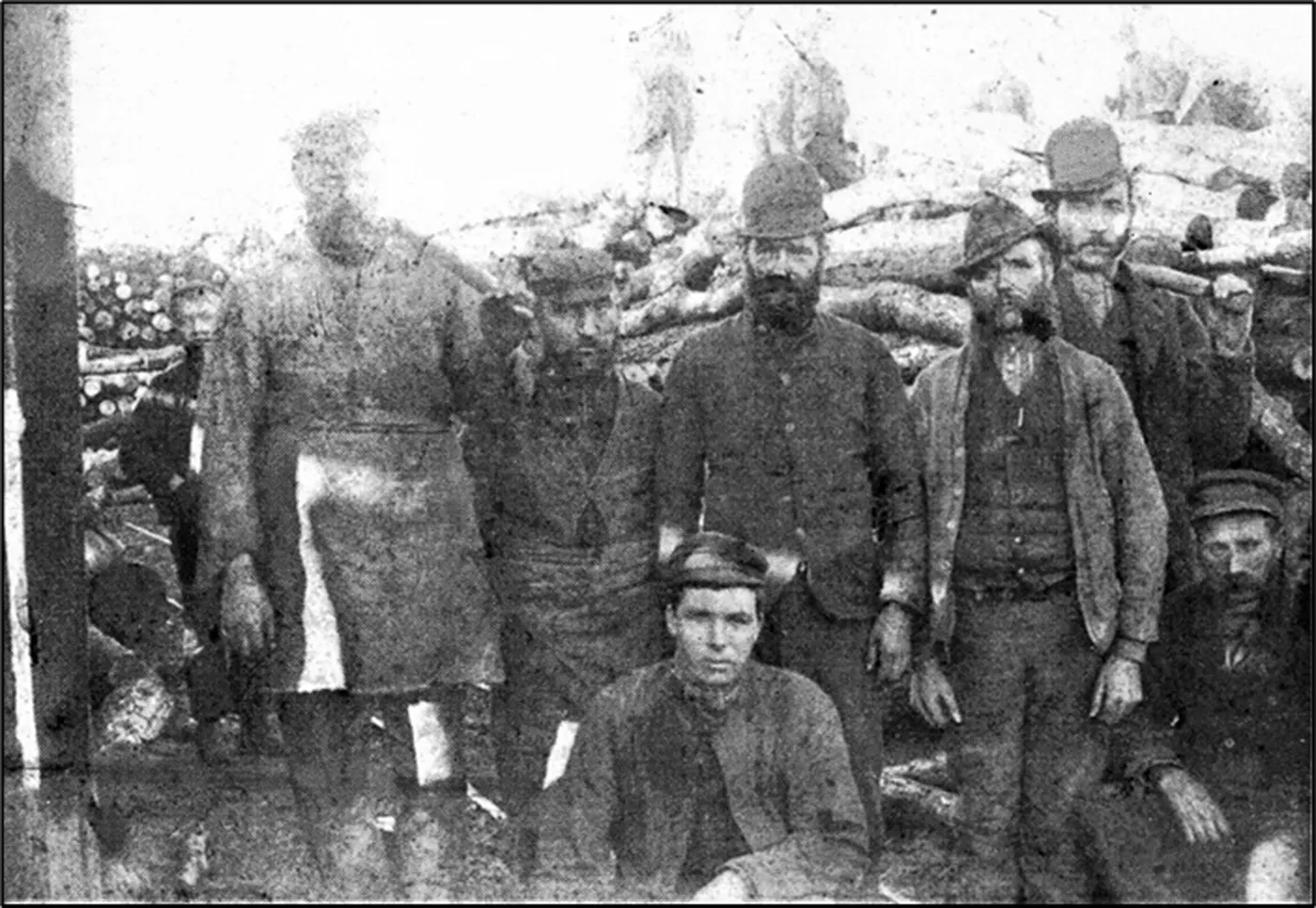
And out of that fire, they built a room of their own.
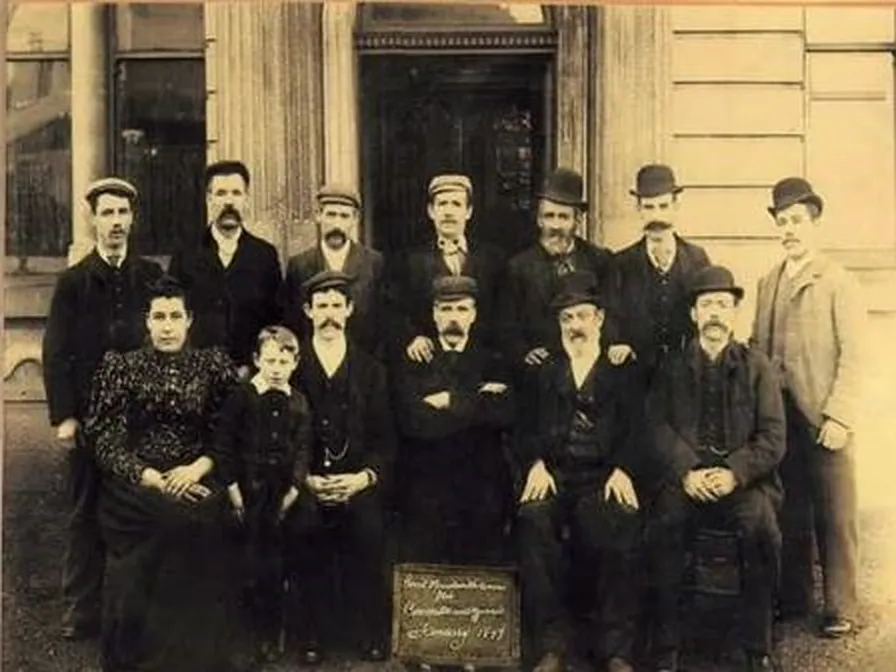
The Great Mountain Workingmen’s Club — founded 1893, fought for through the courts against the breweries and the licensing bench, backed in the end by the colliery itself. These are the founders. This is where your club began.
1906
Rough as the coal it stood on.
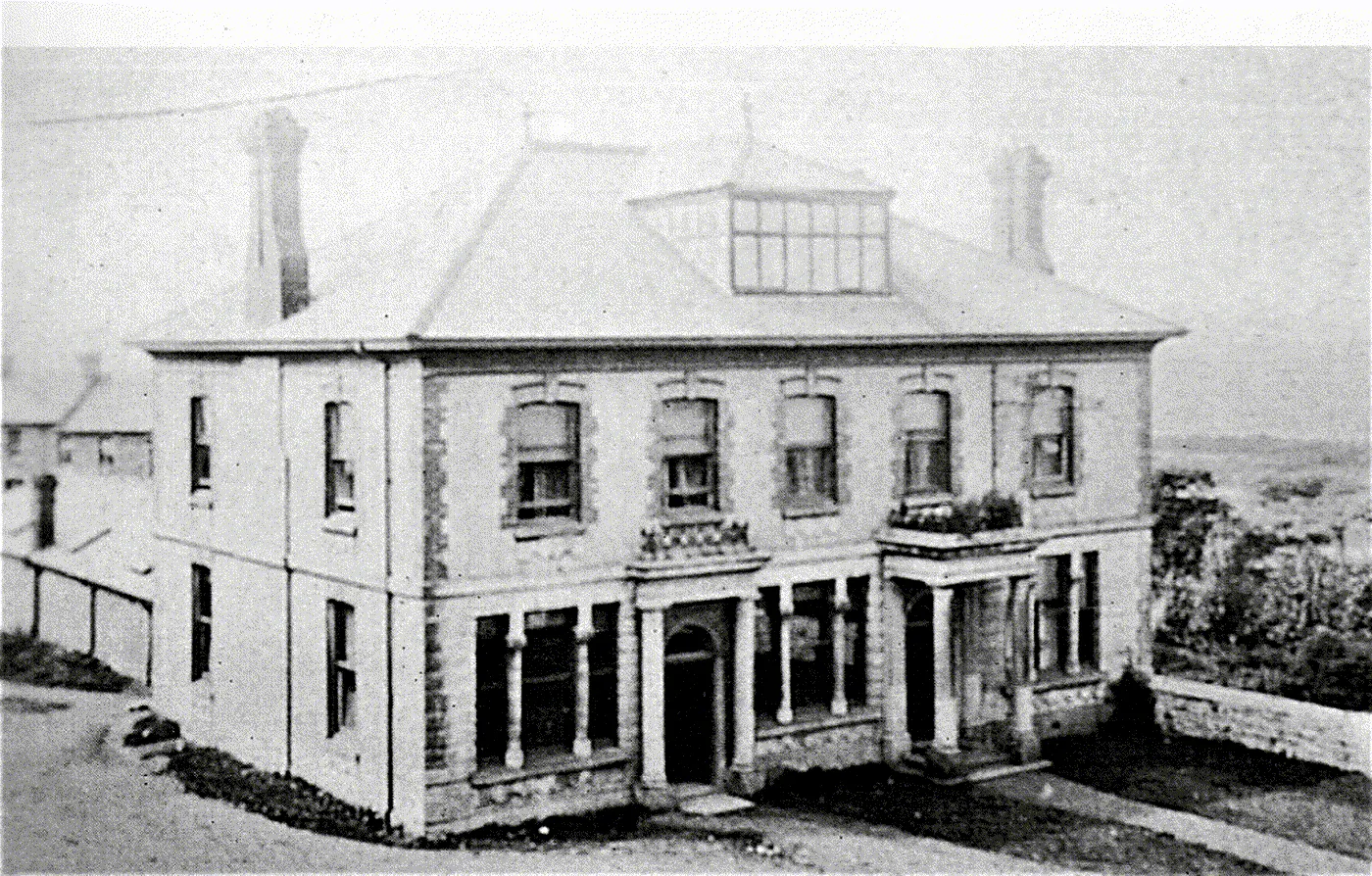
When two Tumble men were jailed after a drunken brawl, the village besieged its own police house to break them out. The papers called Tumble “a notoriously lawless district”. Tumble called it Saturday.
The price of coal
Not everyone came back up.
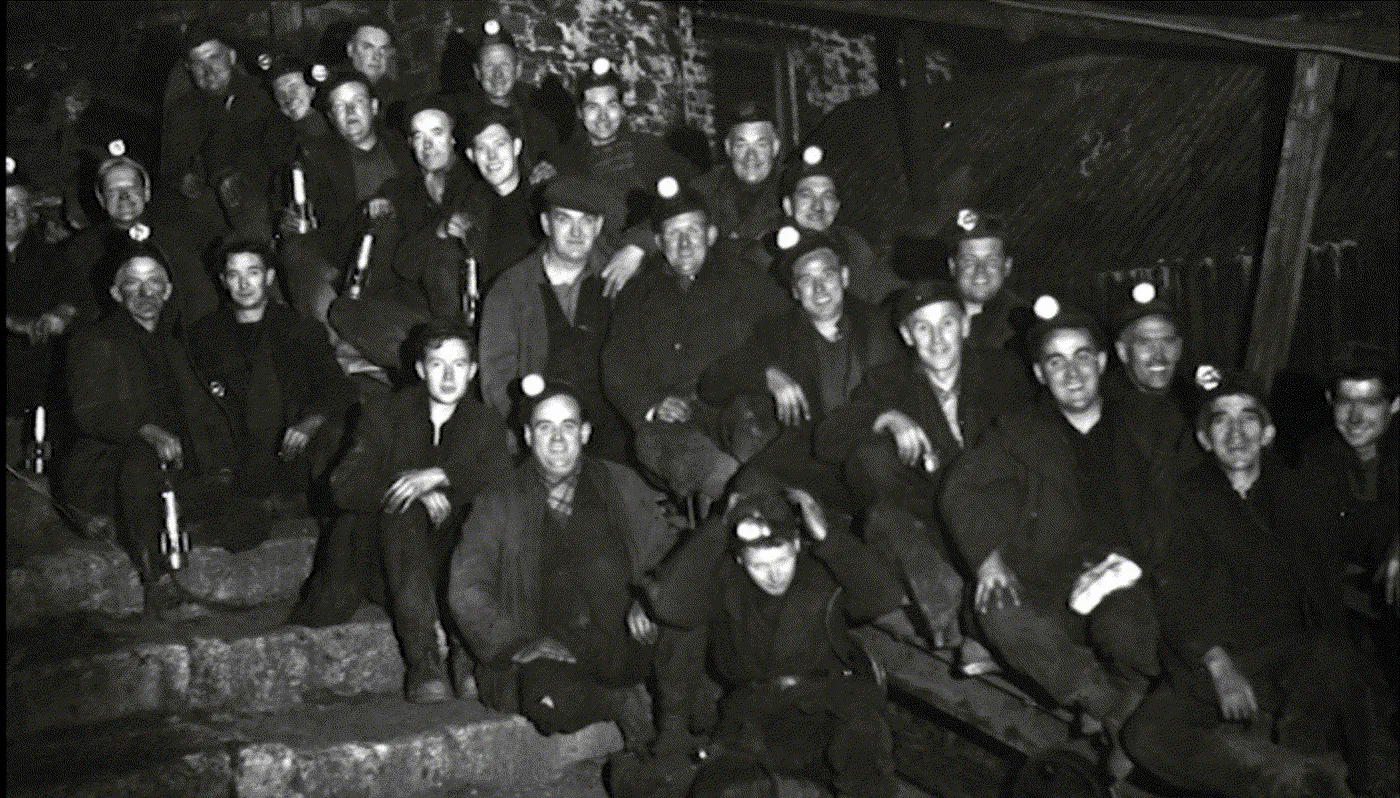
Gas in 1925. Roof falls. Outbursts of coal and stone. The Gwendraeth pits were among the most dangerous in Britain, and Tumble paid for its wages in men.
The 1950s
The dust followed them home.
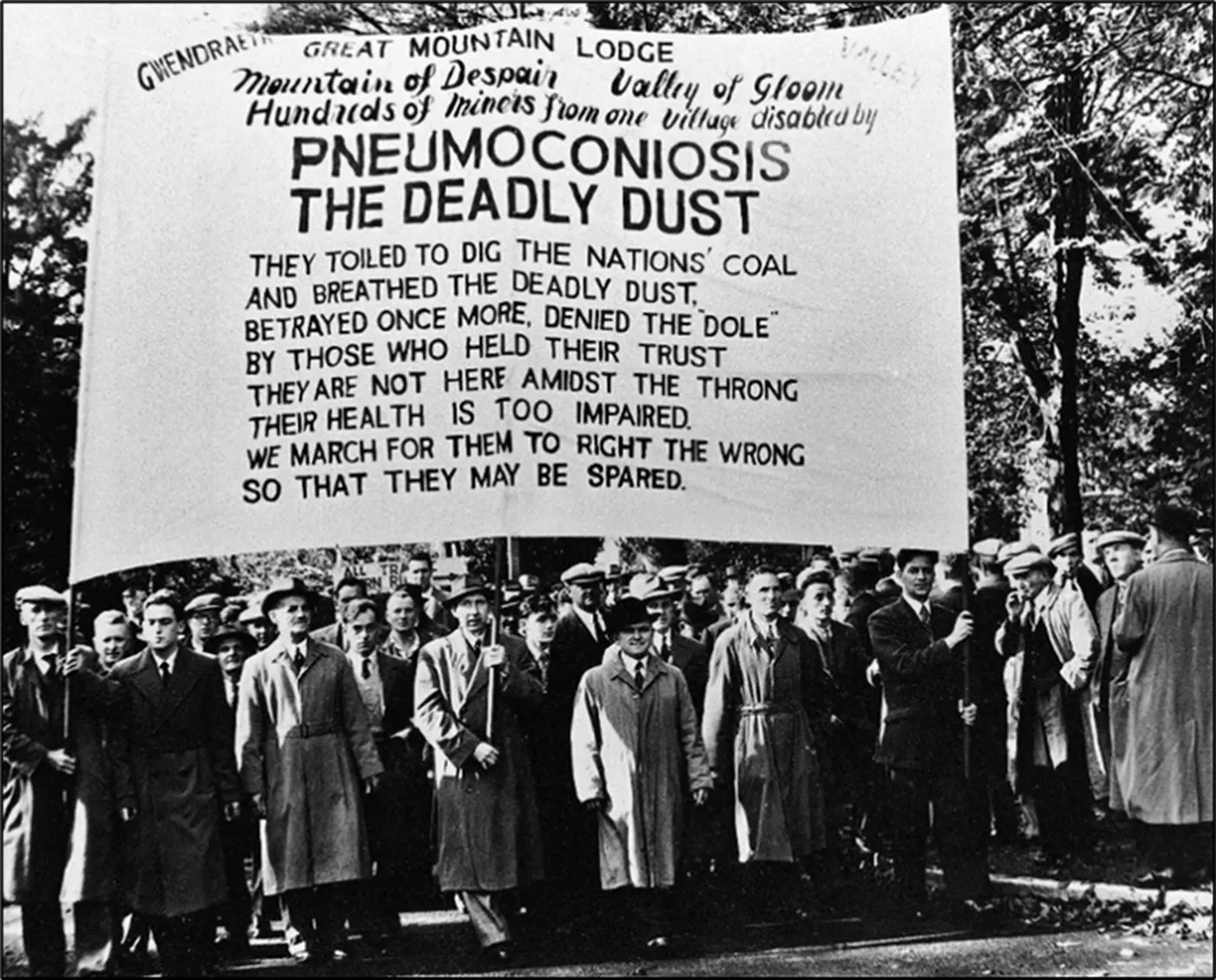
Pneumoconiosis — the deadly dust. Tumble had among the highest rates in Wales. The men marched again, this time for breath itself.
All the while
A village, living.
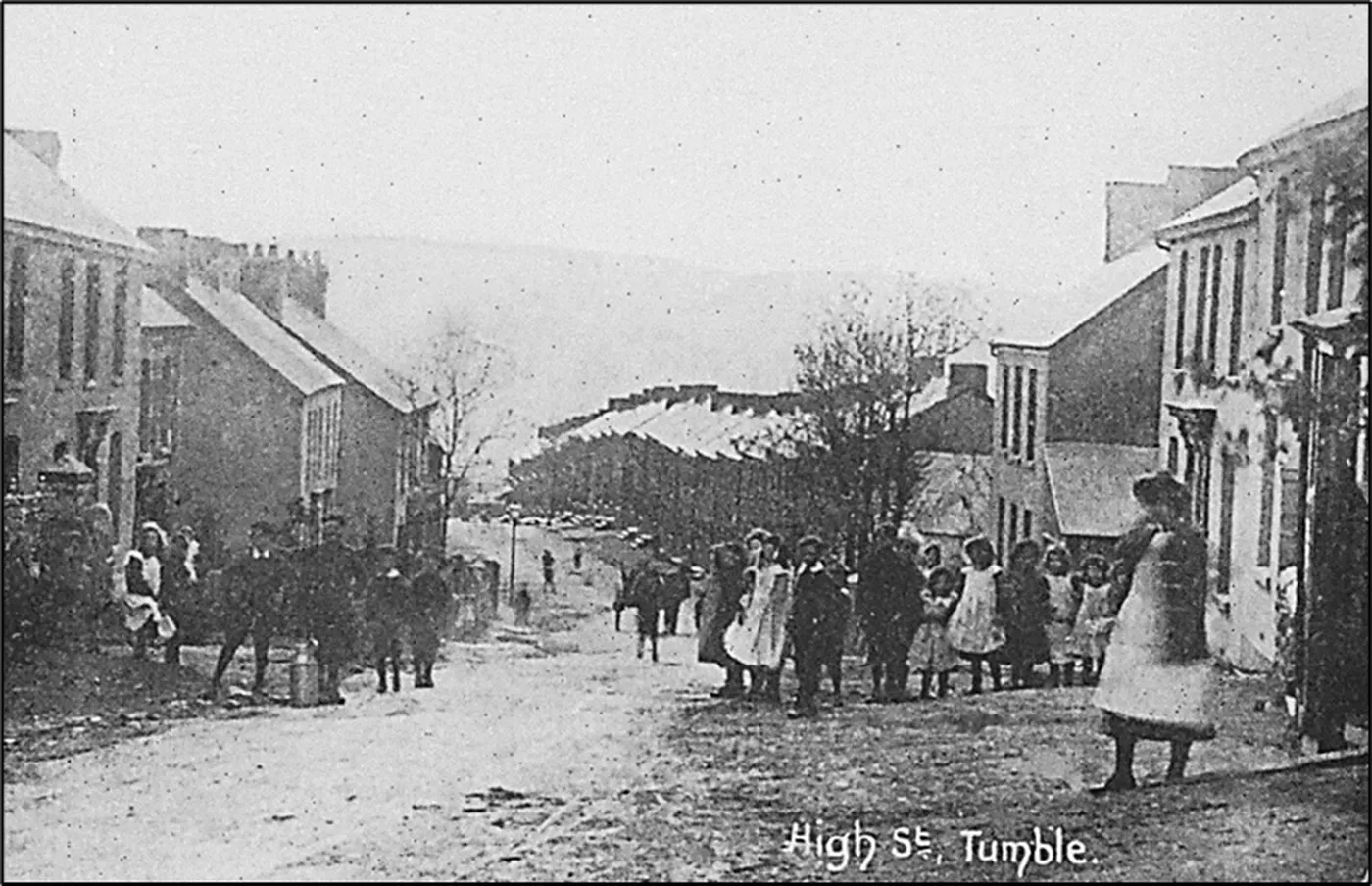
Chapels and choirs. The Star Supply stores. Charabanc trips to Aberystwyth. Typhoid one year, a male voice party the next. Life, squeezed bright between the shifts.
1897
Black and white, ever since.
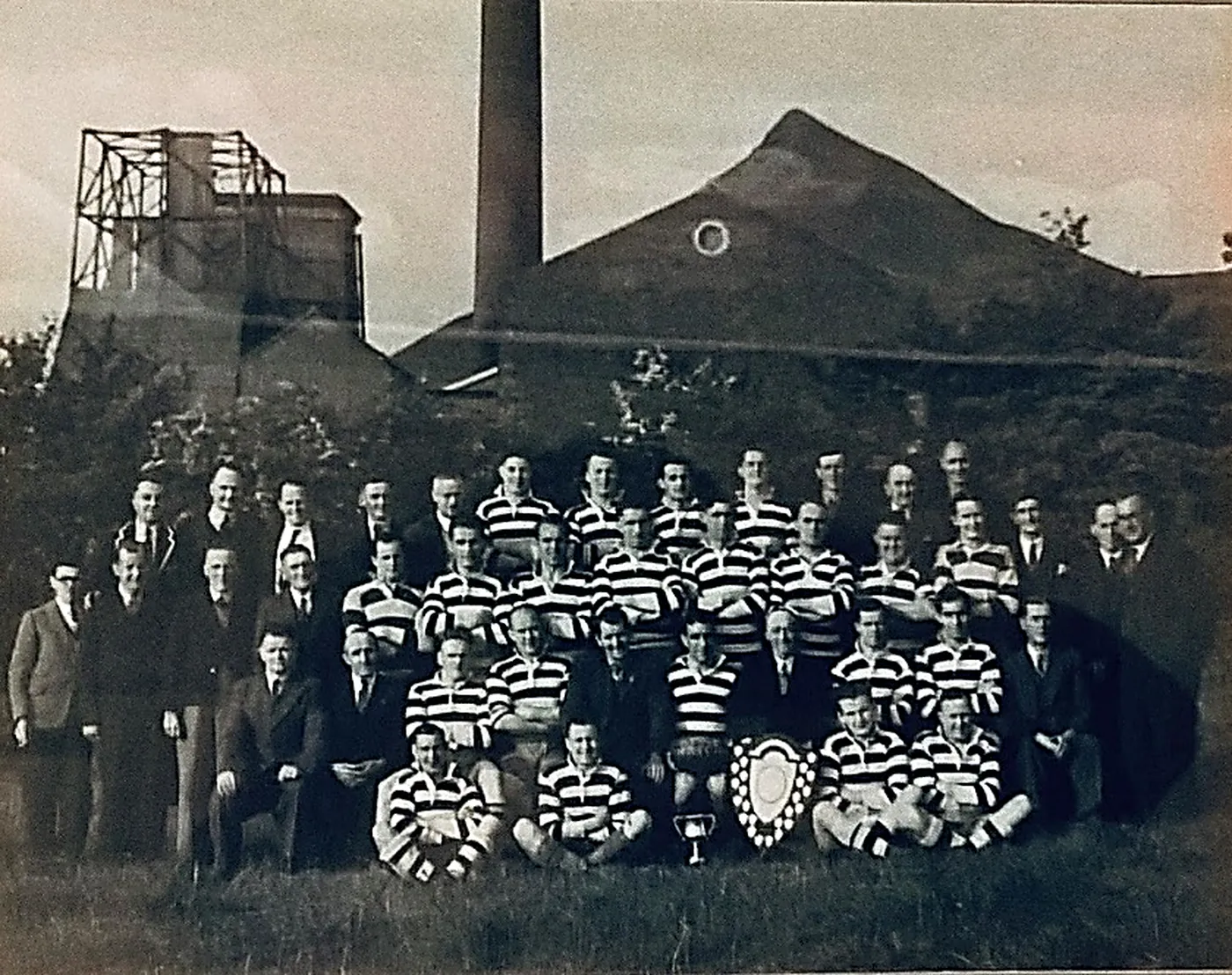
Tumble RFC — the Magpies. Cup winners three years running in the thirties. West Wales champions in ’46. When Tumble won away, supporters sent pigeons home to the village with the score. The magpie has been Tumble’s bird for 130 years.
It still is. Look at the campaign logo.
And for an encore
World class, from a village club.
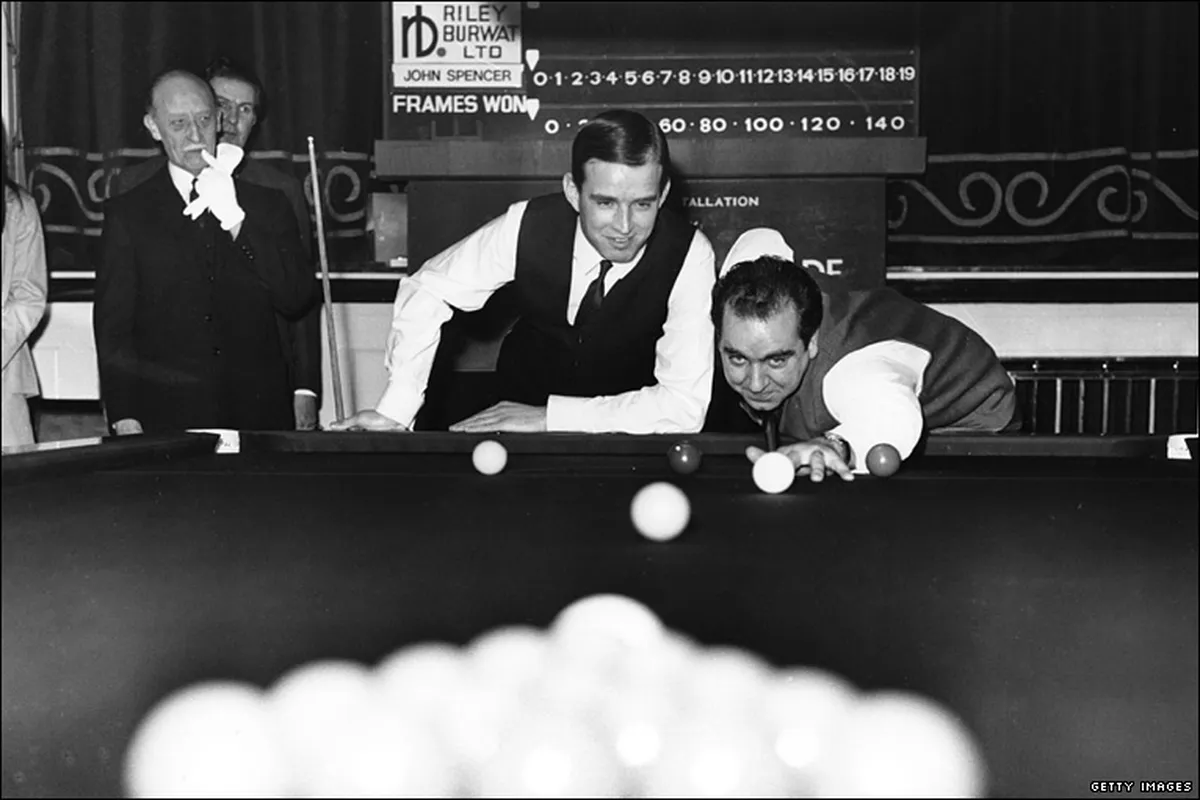
Gary Owen of Tumble and Ray Reardon — world snooker champions — at the tables where village boys learned to play. Rooms like these made people like that.
2026
The pits are gone. The room is still there.
The colliery closed. The chapels emptied one by one. The club the miners of 1893 built is advertised with a guide price of £200,000. Its original 10 September auction has been delayed until 15 October.
11 July 2026, in Tumble
The village is already fighting for its history.
Three weeks ago they held Gŵyl Tyisha — a festival and parade through the village for John Hughes, Jac Ty-isha, the farm boy from the beginning of this story who led the Rebecca rioters and died on the other side of the world.
Top hats, drums and Merched Beca banners straight down the middle of the road. Schools, clubs, artists, families. A parade, the park, and music into the evening. Free to everyone.
One of the organisations that backed it was the Great Mountain Community & Sports Club. This building. The one going to auction.
Tumble has not stopped fighting for who it is.
It just needs somewhere to do it from.
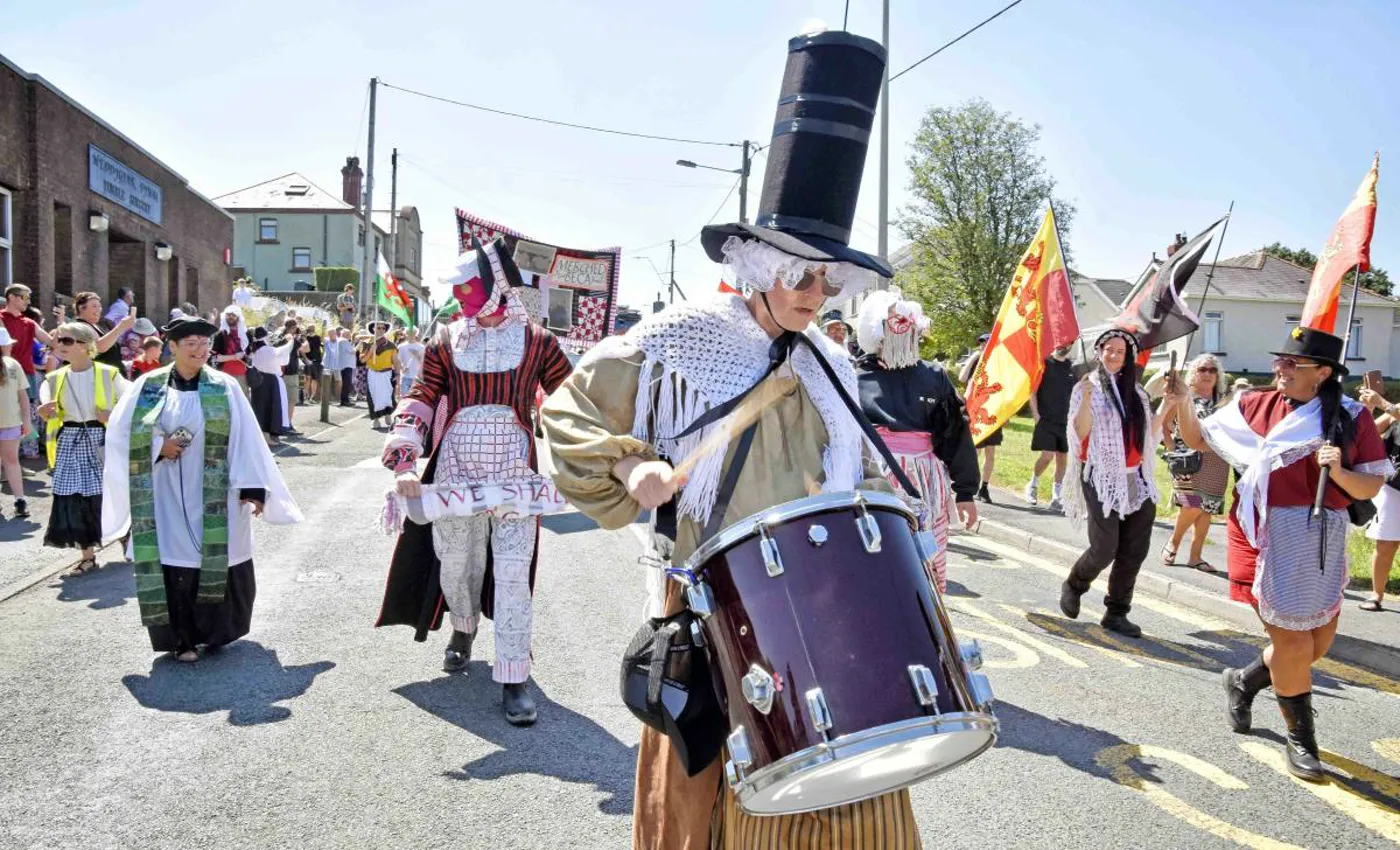

Gŵyl Tyisha, Tumble, 11 July 2026 · gwyltyisha.cymru
Now the part that hasn’t happened yet
We asked the village first.
Before asking anyone for a penny, we ran a survey. Not a petition — a proper set of awkward questions, including whether the place is run down and whether it should be saved at all.
271 people answered.
- 97%said the Workies should be saved
- 75%would come at least a couple of times a month
- 77%are members, or have been there plenty of times
- 86%would consider buying a community share
- 54%said they could give some time
- 9.1out of 10 — how gutted the colliers would be to see it sold
Survey of 271 people, still open. Anonymous aggregate counts only. See every answer.
And we asked what would bring them through the door
Nobody had to guess.
These are not our ideas. This is what the village asked for, in order.
- Live music, gigs and concerts64%
- Match-day hub for rugby and football59%
- Carnival, BBQs and open days56%
- A warm, safe room open to everyone49%
- Darts, pool and snooker leagues46%
- Roasts, curry nights and food events46%
- A function room for parties and weddings45%
- Weekly bingo and quiz nights43%
- Youth club and school-holiday activities38%
- A proper café and all-day breakfasts35%
What it could look like
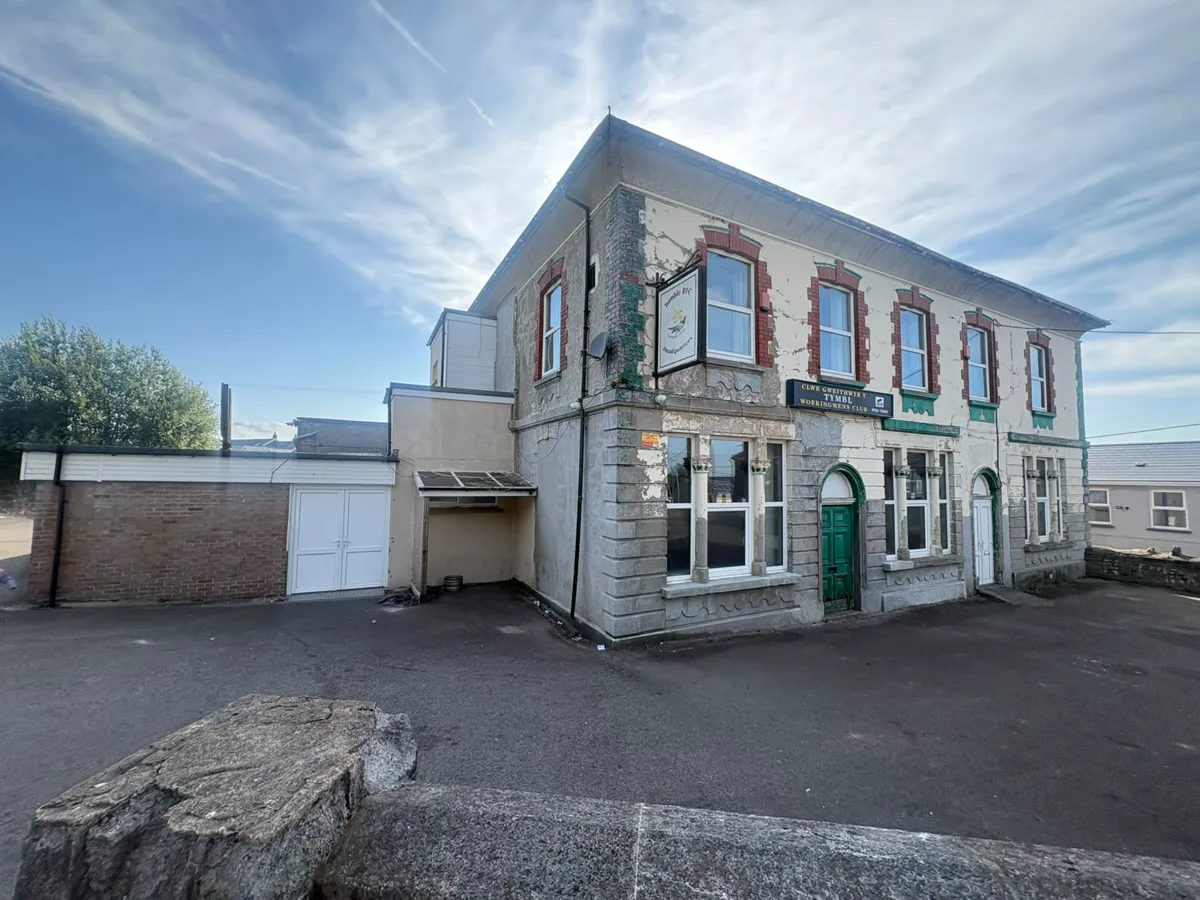
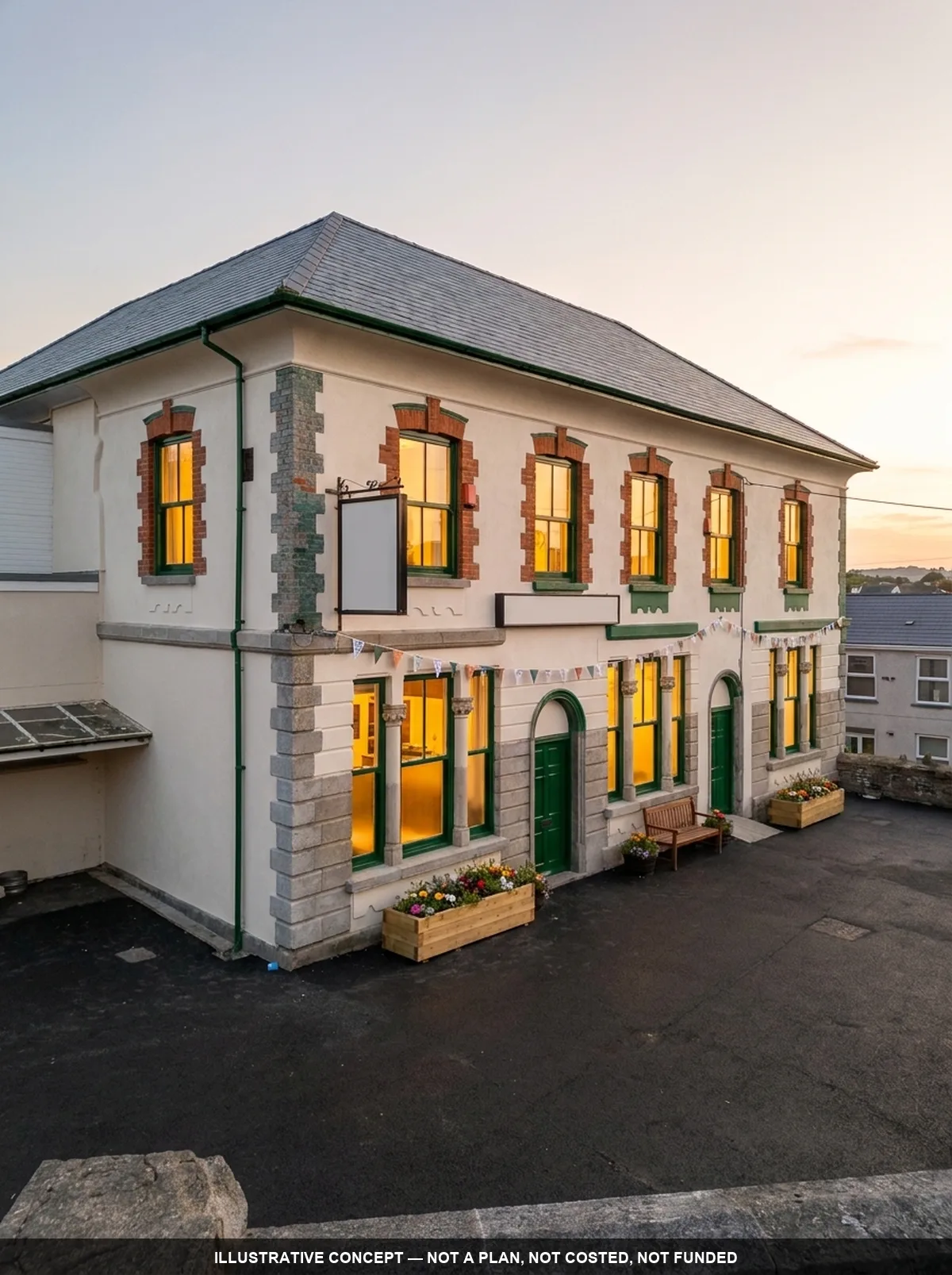
The same building, looked after.
Drag each picture to see it. The front of the club as it stands today, and cleaned back to what it was. The grey annex on the side, with a mural painted by people from here and a row of high windows so daylight finally reaches the back room. And the big room upstairs, warm, with something in it.
These are drawings, not plans. No architect has drawn anything, nobody has costed them, no builder has been near them, and no money is set aside for any of it. We had them made because it is hard to want something you cannot picture.
One building
What saving it actually protects.
Not a pub. A room the whole village can book, use and grow into.
The Magpies
Tumble RFC already call this place home. Saving it is how it stays that way.
The football
Sunday mornings, and somewhere to come back to afterwards.
The kids
Youth club, school holidays, and somewhere to be on a wet Monday that isn’t the bus shelter.
Tumble Primary School
A stage and a hall on their own doorstep, for concerts, plays and prize nights.
Tumble Family Centre
A proper room for the work they already do with families in the village.
Toddlers and parents
Somewhere warm to go in the morning that costs nothing to sit in.
Fitness and classes
Instructors, dance, Welsh classes, slimming groups — anyone who needs a room by the hour.
Cooks and caterers
Sunday roasts, curry nights, food events. A kitchen that earns its keep.
Everyone else
Weddings, christenings, eighteenths, funeral teas. The things a village needs one room for.
Your turn
They left you a room.
The miners of 1893 built it out of a strike they had already paid for. Nobody handed it to them and nobody is handing it to us.
Leave one behind you.
If monthly pledges do not reach £2,500 by 1 September, every payment is refunded in full.